
The AI Color Oracle
How Fashion Brands Are Predicting the Next Must-Wear Shade
7/13/20265 min read
The Evolution of Color Forecasting in Fashion
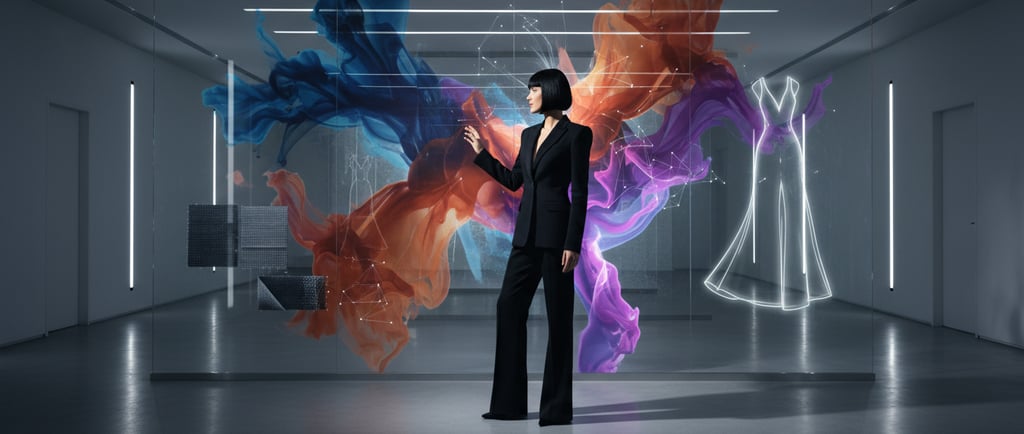
Color forecasting has been an integral aspect of the fashion industry, influencing design decisions and retail strategies for decades. Traditionally, color specialists relied on a combination of historical data, intuition, and subjective assessment to predict which shades would resonate with consumers in upcoming seasons. This process often leaned heavily on seasonal themes, societal trends, and cultural movements, rendering it susceptible to the erratic nature of fashion tastes.
However, the inherent limitations of these conventional methods were evident. Seasonal guessing games often resulted in a significant disconnect between predicted and actual consumer preferences. These subjective trends could misinterpret the evolving desires of the market, leading to overstock or poor sales performance. Consequently, brands struggled to adapt to real-time shifts in consumer behavior, making the forecasting process both an art and, at times, a gamble.
The advent of digital technologies has catalyzed a shift from these intuition-based strategies toward a more analytical approach in fashion marketing. Brands are now harnessing data-driven insights to make informed decisions about color selection, utilizing comprehensive analytics to better understand consumer preferences. This transformation has allowed for a refined approach to identifying emerging color trends, thus enhancing accuracy and reducing risk.
Artificial intelligence (AI) has emerged as a groundbreaking tool in this evolution. By harnessing vast datasets, machine learning algorithms can analyze patterns that humans might overlook, leading to the identification of color trends that resonate with specific demographics or emerging markets. This AI-driven methodology not only improves forecasting accuracy but also enables fashion brands to preemptively respond to shifts in consumer demand, setting the standard for a more reliable predictive model that aligns closely with the market’s evolving landscape.
How AI Analyzes Data for Color Prediction
Artificial Intelligence (AI) has emerged as a powerful tool in predicting the next fashionable colors, leveraging a multitude of data sources. One of the primary sources is social imagery, particularly from platforms such as Instagram. By analyzing thousands of images, AI systems can detect patterns in color usage, such as the prevalence of certain hues in user-generated fashion posts. This analysis allows brands to discern which colors are gaining traction among influencers and consumers alike.
In addition to social media imagery, AI tools also scan cultural signals from popular media and events. For example, the Emmy Awards or Fashion Weeks generate a significant amount of visual data, where celebrities and designers often set trends with their color choices. By sifting through this content, AI can identify emerging color trends that resonate with public sentiment, capturing the zeitgeist of current fashion preferences.
Retail data also plays a critical role in color prediction. AI algorithms analyze sales data and consumer preferences, interpreting which colors are not only selling but also influencing purchasing behavior. For instance, during specific seasons, patterns of buying behavior can indicate a growing affinity for particular shades, helping retailers adapt their collections accordingly.
Furthermore, environmental factors are increasingly influencing color palettes, with AI tools recognizing trends linked to climate awareness and sustainability. Colors that evoke nature, such as earth tones or shades inspired by pastoral scenery, are becoming popular as consumer consciousness shifts. The integration of these various data sources allows AI to create a robust and comprehensive understanding of color dynamics in fashion.
Examples of AI tools used for this analysis include IBM Watson and WGSN's predictive analytics, both of which have showcased their capabilities in identifying the next must-wear shades through data-driven insights. In combining these diverse data streams, AI is redefining color trends in the fashion industry, leading to more informed and timely decisions by brands.
Case Studies: Successful Implementation of AI Color Forecasting
Recent advancements in artificial intelligence (AI) have transformed how fashion brands approach color forecasting, allowing them to make data-driven decisions regarding their collections. One notable example is Pantone, a company renowned for its color matching system. Pantone has embraced AI to analyze vast amounts of data from social media, search trends, and even images to predict future color palettes. By leveraging machine learning algorithms, Pantone identifies emerging color trends, enabling designers and brands to align their seasonal collections accordingly.
Another prominent brand utilizing AI in color forecasting is Adidas. The sportswear giant partnered with an AI analytics firm to examine customer data and global trend reports. This collaboration allows Adidas to anticipate shifts in consumer preferences, particularly in specific colors and styles. As a result, they have seen a significant reduction in surplus inventory and improved customer satisfaction, leading to increased sales.
Similarly, H&M has integrated AI technology into its global sourcing operations. By analyzing real-time trends and consumer purchasing behaviors, H&M's AI systems help identify which color trends resonate with target demographics. This proactive approach not only optimizes inventory management—by reducing the risk of overproduction—but also enhances the brand's ability to respond quickly to changing market demands.
Industry experts highlight that the successful implementation of AI-driven color forecasting has substantial positive implications for sustainability in fashion. By optimizing inventory and reducing waste, brands adopting this technology contribute to more sustainable practices. As the industry continues to embrace AI, the ability to accurately predict colors that will resonate with consumers is critical for remaining competitive in a rapidly evolving market.
The Future of Fashion Color Trends and AI's Role
The intersection of artificial intelligence and fashion continues to reshape the industry, particularly in predicting color trends. As technology advances, AI's capabilities in analyzing vast datasets will allow fashion brands to forecast emerging color preferences with increasing accuracy. This will not only streamline the design process but also enhance the overall consumer experience by delivering personalized recommendations based on individual tastes and market trends.
In the context of color selection, AI can analyze social media posts, fashion shows, and seasonal predictions to identify which shades are gaining traction among consumers. Brands that leverage this data effectively will be able to create collections that resonate with their target audience, ultimately driving sales and increasing brand loyalty. Furthermore, AI systems can assist in customizing colors for specific demographics, ensuring that fashion becomes more inclusive and tailored to the preferences of diverse consumers.
Yet, while the integration of AI presents exciting opportunities for innovation in color trends, it also brings with it challenges and ethical considerations. Brands must be mindful of potential biases in the datasets they use, as these biases can lead to a misrepresentation of consumer preferences, skewing the colors they offer. Fashion brands are thus tasked with striking a balance between utilizing AI for efficiency while ensuring that their color palettes remain representative of their customer base.
Additionally, transparency will be crucial in the relationship between consumers and brands. As AI begins to play a more prominent role in shaping fashion choices, consumers increasingly expect to understand how these technologies influence the products they encounter. This demand for transparency can foster trust and encourage deeper engagement with the brand. In conclusion, the future of fashion color trends will heavily rely on AI, offering both remarkable advancements and compelling ethical obligations for the industry to navigate.
Luxury
Elevate your brand with our exclusive AI models.
Contact us
THE SYNTHETIC FRONTIER
© 2026. All rights reserved.
(609) 901-8073