
Beyond the Moodboard
How AI is Changing the Economics of Fashion Campaigns
7/22/20265 min read
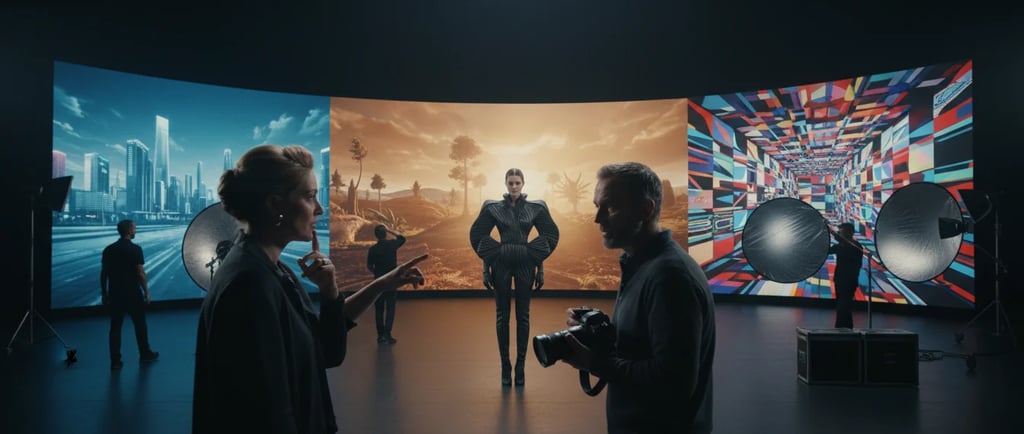
The Evolution of Fashion Campaigns in the Age of AI
Fashion campaigns have undergone a significant transformation over the years, influenced by shifts in consumer behavior, technological advancements, and changing aesthetic values. Traditionally, the creation of a fashion campaign involved a collaborative effort led by creative directors and editorial teams. These professionals orchestrated the overall vision of the campaign, selecting themes, concepts, locations, and talent to effectively convey the brand's message. They meticulously planned photo shoots, developed storyboards, and engaged in extensive rounds of editing to curate the final images that would represent the collection.
In the past, the process could take weeks or even months, with teams working in a highly structured environment, relying on their collective expertise and artistic sensibilities to produce captivating visuals. This traditional model ensured meticulous attention to detail, resulting in campaigns that resonated with audiences and stood the test of time.
However, with the rise of artificial intelligence, this approach is evolving. Fashion houses are increasingly integrating AI technology into their creative workflows, seeking to streamline processes and enhance creative outcomes. AI applications now assist in everything from analyzing market trends to predicting consumer preferences, ultimately guiding the direction of fashion campaigns. Brands are utilizing AI-driven tools to process vast amounts of data, enabling them to capture audience insights more efficiently and tailor campaigns to meet specific needs.
Moreover, the integration of AI extends into creative aspects, such as generating design suggestions or automating the editing process, which can significantly shorten production timelines. This shift has led to a more agile framework, allowing fashion houses to respond swiftly to changing market dynamics and consumer demands.
As the fashion industry embraces these technological advancements, the traditional roles of creative directors and editorial teams are adapting. There is a growing recognition of the need to balance creativity with technology, ensuring that while AI enhances and accelerates the campaign production process, the unique vision and artistry of human creators remain at the forefront of fashion campaigns. This ongoing evolution signifies a transformative era for the fashion industry, where AI and human ingenuity coalesce to shape the future of fashion marketing.
Generative Tools: Reinventing Visual Experimentation
The fashion industry is undergoing a significant transformation, aided by advancements in generative tools that are powering the creative processes of editorial teams. These technology-driven solutions are enabling rapid testing and exploration of various creative concepts, encompassing aspects such as lighting, styling, and localization, which are vital in crafting a compelling fashion campaign.
Generative design tools, for instance, allow designers to create multiple iterations of a visual concept in a fraction of the time that traditional methods would require. This process not only accelerates the creative workflow but also encourages a broadened scope of experimentation. Teams can swiftly analyze different stylistic choices or variations in model poses, ensuring they select the most visually captivating options without the constraints of scheduling and costs typically associated with photo shoots.
Moreover, the utilization of AI-driven visual experimentation tools allows for precise customization based on consumer preferences and regional trends. By harnessing consumer data analytics, fashion brands can create localized content that resonates more significantly with target audiences. This strategic approach not only maximizes engagement but also reduces the resources traditionally needed for conducting extensive market research.
The cost-effectiveness of generative tools is particularly noteworthy. Traditional shoots involve considerable expenditures related to hiring talent, renting locations, and producing high-quality visuals. In contrast, the innovative technologies available today offer fashion editorial teams the ability to simulate various environmental settings and lighting conditions digitally, thereby minimizing physical overhead.
In the context of visual experimentation within fashion campaigns, generative tools represent a bridge between artistic vision and practical execution. They empower creative individuals to explore the fertile landscape of design while addressing the economic demands of the industry. By embracing these tools, brands can both innovate and optimize their marketing strategies, ultimately leading to more vibrant and effective fashion narratives.
The Impact on Production Costs and Timelines
The integration of artificial intelligence (AI) into fashion campaigns has significantly transformed the economics surrounding production costs and timelines. By utilizing sophisticated computational tools, fashion brands can streamline their production processes, thereby reducing the reliance on extensive physical resources. Traditionally, producing high-quality visuals for campaigns involved considerable investments in materials, labor, and time. However, AI enables brands to achieve similar, if not superior, results at a fraction of the cost.
AI technologies, such as machine learning and predictive analytics, allow designers to generate high-resolution images and render complex designs digitally. This digital-first approach minimizes the need for costly photo shoots and lengthy production timelines typically associated with traditional methods. As a result, brands can allocate their resources more efficiently, making it possible to produce a wide range of creative content without incurring significant overhead costs.
Furthermore, the agility of AI systems allows fashion brands to respond more rapidly to shifting consumer trends and market demands. In today’s fast-paced fashion industry, being able to adapt quickly is crucial for maintaining relevance and competitive edge. With AI, brands can analyze data trends in real-time, identifying emerging styles and preferences, which in turn facilitates expedited design and production phases. As a result, campaigns can be developed, approved, and launched in shorter timeframes, greatly enhancing the brand’s ability to capitalize on fleeting trends.
Incorporating AI into fashion campaign production not only drives down costs but also fosters an environment of innovation. This combination of efficiency and creativity empowers brands to engage consumers with fresh, impactful campaigns, ultimately reshaping the economic landscape of the fashion industry.
The Future of Creative Judgment in Fashion
As artificial intelligence (AI) systems continue to infiltrate the fashion industry, the essential role of human creative judgment remains pivotal. While AI provides unparalleled data analysis and trend forecasting capabilities, it lacks the intrinsic human experience that drives creativity. This emerging technological landscape has not so much altered the fundamental nature of creativity but has instead augmented the creative process by offering tools that can enhance the decision-making of fashion professionals.
AI algorithms can efficiently analyze trends, forecast consumer preferences, and optimize production logistics, allowing creatives to focus more on their artistic instincts. Rather than viewing AI as a replacement for human talent, it is vital to perceive it as a companion that amplifies human creativity. For instance, AI can assist in moodboard generation, automating mundane tasks and freeing creatives to concentrate on conceptual innovation. This synergy suggests a transformative shift in roles within fashion campaigns where the merging of technology and artistry cultivates a more dynamic environment for creative exploration.
The future of creativity in fashion necessitates a balance between the efficiency that AI introduces and the irreplaceable value of human insights. As production possibilities multiply due to AI capabilities, human judgment will guide the creative narrative, ensuring that campaigns resonate on an emotional level that algorithms cannot replicate. Furthermore, the reliance on human creativity will empower professionals to curtail the risk of homogenization in fashion trends, fostering a diverse array of voices and ideas. This collaborative model indicates that as AI evolves, the fashion industry may witness an enriched platform for experimentation and expression, highlighting the complementary relationship between human creativity and technological innovation.
Luxury
Elevate your brand with our exclusive AI models.
Contact us
© 2026. All rights reserved.
(609) 901-8073